
Ocean questions · Interview companion
Why shark behaviour starts with the species
Cristina Zenato explains why treating every shark as the same animal obscures the questions that matter.
In this guide
The short answer
Start with the species, then the individual
Sharks are not one uniform kind of animal. Cristina Zenato’s central point is to identify the species before interpreting an encounter. Species information explains the animal’s general biology; repeated observations add context about a particular individual. Neither makes a wildlife encounter predictable or safe to imitate.
- Name the species rather than treating a dramatic clip as evidence about all sharks.
- Separate an observed action from a claim about what an animal intended.
- Ask whether repeated observations support the explanation, and consider the limits of that evidence.
Orca Group Series · 1 November 2026 · Featuring Cristina Zenato
Start with a better question
What kind of shark are we talking about? That is the starting point Cristina Zenato offers in her Orca Group Series conversation. Before deciding what an encounter means, identify the species and describe what the animal actually did.
Think about a whale shark filtering food from water, then the Caribbean reef sharks Cristina describes working with in the Bahamas. They are both sharks, yet the shared name leaves a great deal unexplained. The Florida Museum’s whale shark profile is one useful example of the diversity within the group.
Why Cristina compares sharks with birds
We already accept variety in birds: different shapes, colours, sounds and ways of living. Cristina uses that familiar idea to challenge the single, dramatic image that often accompanies the word ‘shark’. Her analogy invites curiosity about the particular animal in front of the camera.
It also changes how we watch wildlife footage. A close encounter becomes an opportunity to ask which species is present, what circumstances brought it there and what the observer knows from previous encounters.
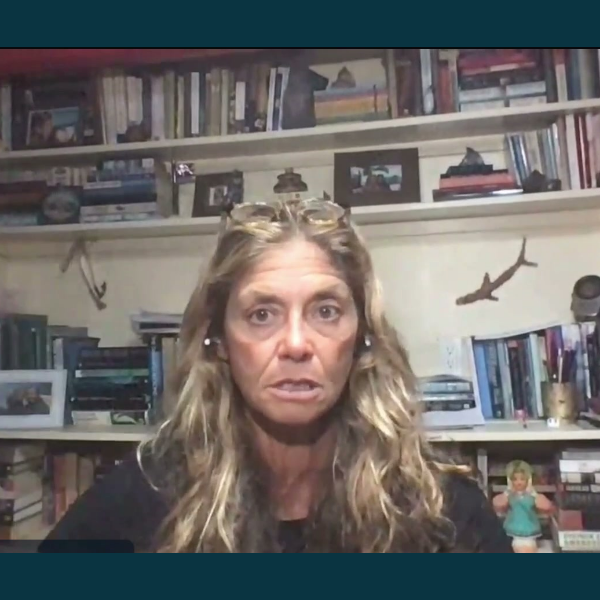
You don't need to be an ornithologist to know that not all birds can fly. Not all birds are colorful and not all birds can sing let's say to the human ear beautifully. And so it's the same thing with sharks.
Cristina Zenato in the full interview. Cristina uses birds as an analogy for the diversity of shark species. This is not guidance to approach or handle wildlife.
Species, individuals and experience
Cristina’s own work centres on repeated observations of particular sharks. Her official biography describes long term encounters with Caribbean reef sharks and her wider work in diving, caves and conservation. That combination gives the conversation its personal perspective.
Species information and an individual’s history answer different questions. A species profile helps explain the kind of animal being discussed. Repeated observations provide a more specific account of the animals an observer has come to know. Keep both in view when hearing Cristina describe her experiences.
A useful way to watch the conversation
Listen for three things: the animal Cristina names, the behaviour she describes and the experience behind her interpretation. When a short clip leaves one of those out, the full conversation can supply the missing context.
For further reading, compare a species in the Florida Museum collection with the animals discussed in the interview. Then explore People of the Water through Cristina’s guest page to see how her work connects water, education and conservation.
Wildlife encounters require appropriate professional judgement. This companion explains the conversation; it is not guidance to approach or handle sharks.
Hear the full conversation
Keep the speaker’s examples and qualifications in context.
Watch Cristina Zenato →