Ocean questions · Interview companion
What goes into underwater wildlife filmmaking?
Andy McLeod discusses why camera experience and underwater readiness are different parts of making a wildlife documentary.
In this guide
The short answer
Camera skill and underwater readiness are different skills
Andy McLeod describes a career in which camera experience came before he considered himself experienced and qualified enough for professional underwater work. His account separates making a picture from being ready to work in the environment. Preparation, the wildlife and the conditions shape the job; an impressive shot is not a diving lesson.
- A strong camera background is not proof of underwater readiness.
- Judge a wildlife sequence in the context of its preparation and conditions.
- Keep the distinction between authentic observation and illustrative footage clear.
Orca Group Series · 1 November 2026 · Featuring Andy McLeod
More than a camera
An underwater wildlife image brings together camera craft, experience in the water and a judgement about the scene. Andy McLeod’s interview offers a personal account of how those abilities developed across his career.
Andy was already working in documentary production before he considered himself ready to take cameras underwater professionally. He describes his first underwater job as work on a series for National Geographic. That gap between experience with a camera and readiness in the water is a useful starting point for understanding the craft.
Readiness comes from experience
Listen to the way Andy talks about becoming experienced and qualified enough. The interesting part is the judgement behind that decision, rather than the idea that one piece of equipment opened the door.
The conversation gives viewers a way to appreciate the work hidden behind a finished sequence: developing familiarity with the environment while maintaining the attention needed to tell a story through images.
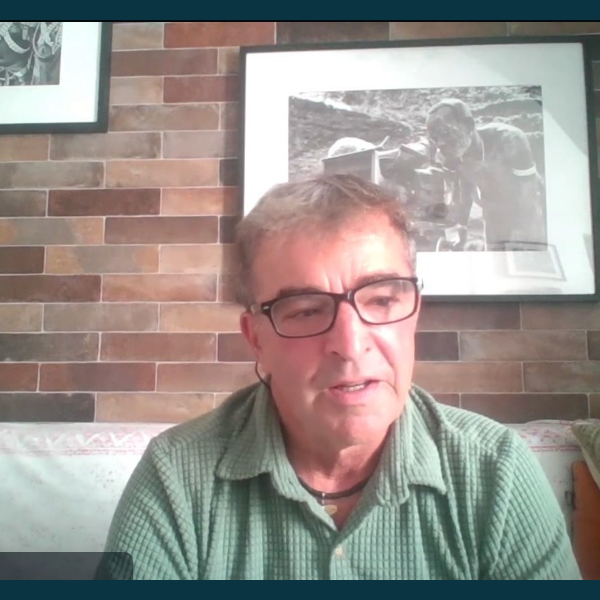
But it actually took a lot longer before I could consider myself experienced enough and qualified enough to, start taking cameras underwater. So it was probably by the time I was 36, I took on my first underwater job, which was a series for National Geographic.
Andy McLeod in the full interview. Andy is describing his own career as a documentary cameraman. He is not presented as an Antarctic scientist or as offering diving instruction.
Look beyond the finished frame
A documentary sequence can involve several people looking at an event from different positions. BBC Earth describes one Antarctic wildlife shoot using a drone camera operator, an operator on shore and another underwater. The final sequence brings those perspectives together.
That is a separate production example, rather than a credit assigned to Andy. It helps explain why the camera visible in one behind the scenes photograph rarely represents the whole effort. Planning, communication and the conditions of the location shape what can be recorded.
Light, visibility and the subject
Andy’s conversation includes the changing practical elements of a shot, including visibility and lighting. Those are useful things to notice when watching an underwater sequence: what can the camera see, how is the scene lit and what is the animal doing?
Two conversations worth comparing
Watch Andy McLeod for the perspective of a documentary cameraman. Then explore Andy Schmid’s archive interview for an underwater photographer’s account of preparation and image making. Comparing the two reveals shared concerns while preserving the differences between their work.
Both guest pages link to their verified work and resources. The interviews are an opportunity to understand the craft; practical diving or filming activity requires appropriate training and attention to wildlife welfare.
Hear the full conversation
Keep the speaker’s examples and qualifications in context.
Watch Andy McLeod →